The University of Megagames - part 2
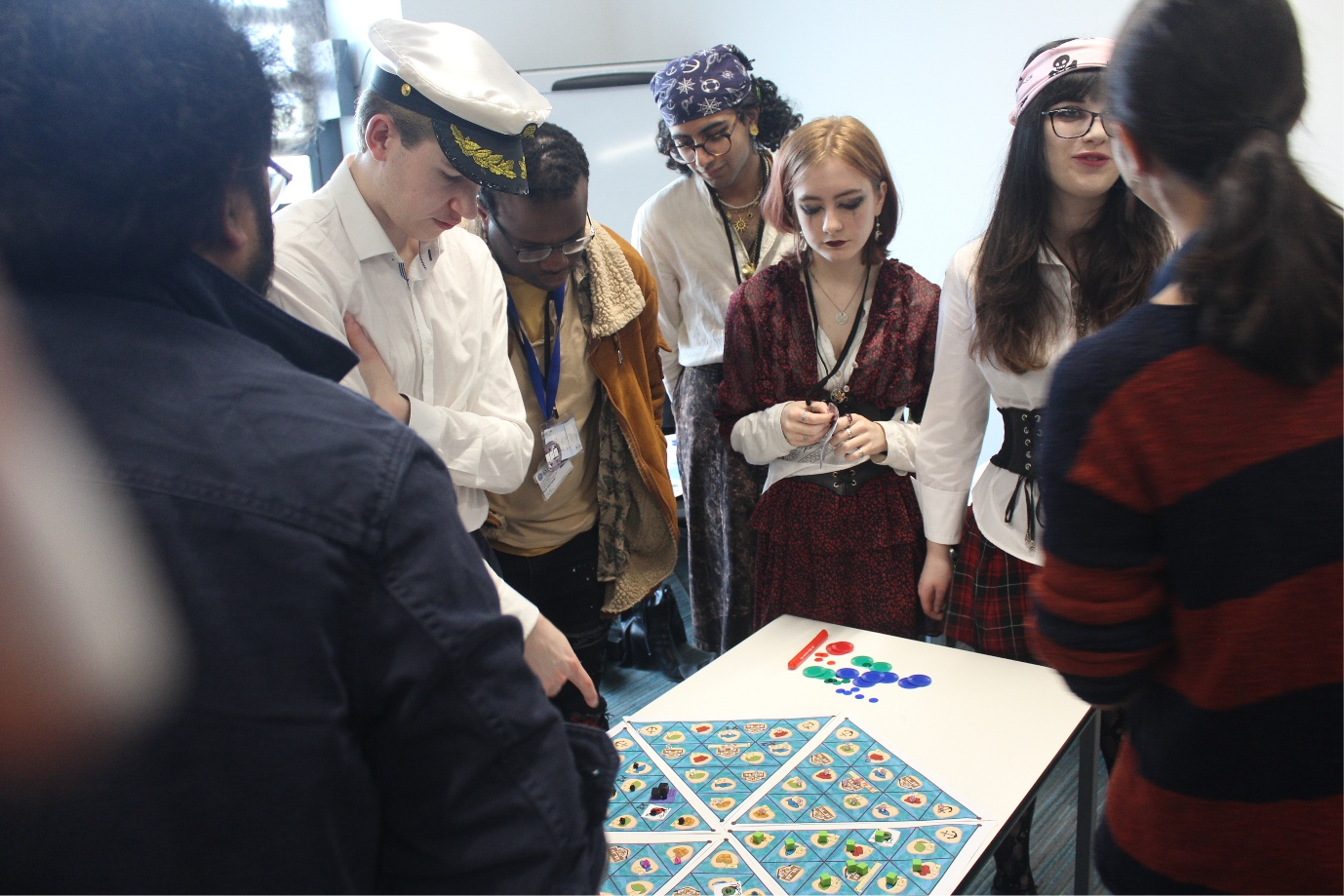
Credit: Tailesin Oldridge
Taliesin Oldridge attended the University of Bath and this is their story of introducing megagames to the students
I hope that I haven’t given the impression that I was the only person running megagames at Bath before my departure. There was and still are a dozen or so people who were regular Game Controls, wannabe-designers, and helpers who made these projects happened. When I graduated, they took front stage. The chair made it very clear that she wanted the Tabletop society to run more megagames.
“Megagames have become crucial to the culture of Tabletop Society at Bath. For what is essentially 6 mini societies in a trench coat, megagames are an opportunity for the whole society to come together and do something truly unique. Our semesterly megagame is often the biggest event on our calendar, and I hope they continue for a long time.” – Ellie Stern, Chair of the Tabletop Gaming Society, 2024-2026.
It wasn’t just Ellie. Four different people told me they were working on their own megagame design projects. I was requested to share my designs for NUTMEG to work as a criminal underworld megagame in prohibition era USA. Ben Howarth and a few other friends designed an occult Orient Express game with eldritch horror and mystery, and then a fantasy politics and intrigue megagame. Everyone who saw a megagame and loved them wanted them to keep going and had their own ideas they wanted to try. The key was momentum. We’d done enough to get the games started that we now had a steady stream of people coming into our games. By 2026, we’re regularly getting megagames of 70 people. And student megagames are expanding beyond the University of Bath.
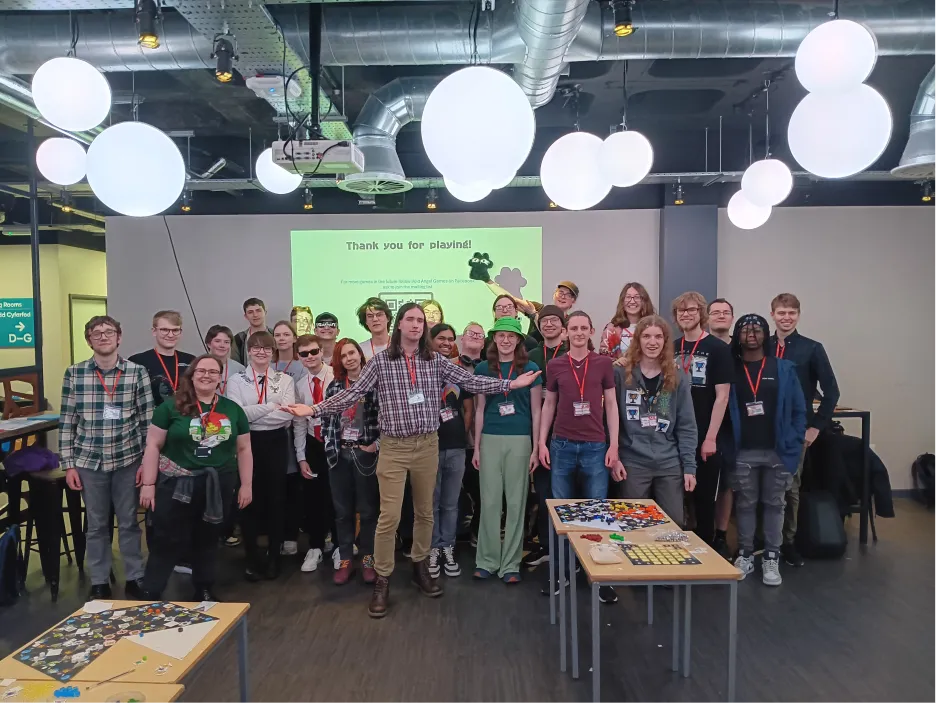
Credit: Taliesin Oldridge
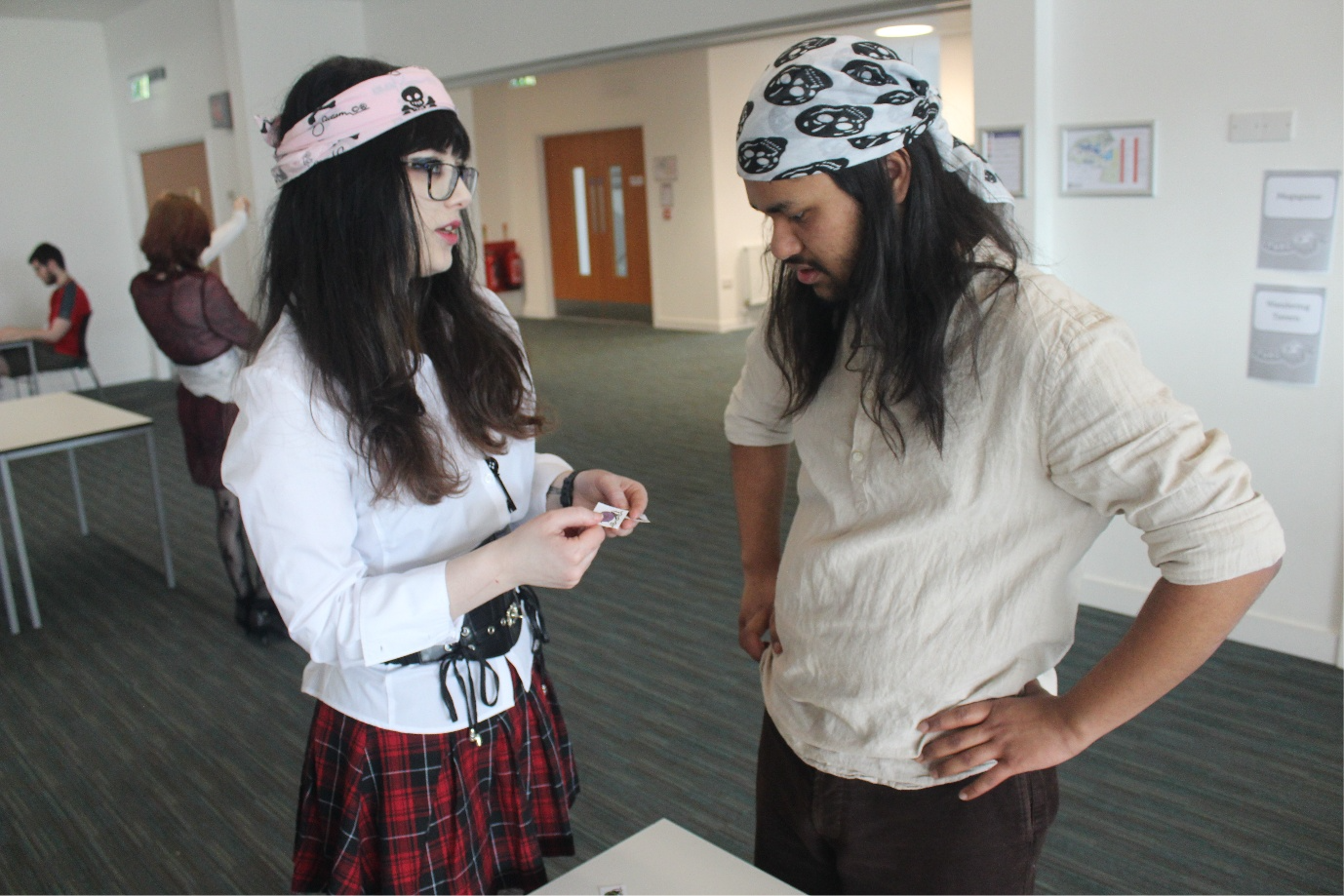
In 2025, the University of Cardiff arranged the first ever SWAG (South West Amalgamation of Gamers) which brought together six universities in a tabletop gaming societies spectacle. The first game pictured above had about 30 players. This year, it was hosted at the University of Bath. At about 68 players and 5 GMs, I would say we’ve hit that threshold of momentum. It also allowed me the opportunity to continue encouraging megagaming at Bath, by mentoring another enthusiastic megagamer, Gael, who ran “Swashbuckler’s Haven” under the NUTMEG template, and has already promised to keep megagames running at Bath until at least 2028.
This constant handover of game running along with strong alumni connections has allowed the University of Bath to keep a really good momentum that has lasted the past five years and will last well into the future. And it’s not just Bath. Next weekend, the University of Bristol will run its first ever Megagame – Den of Wolves, and they’re already planning their next one that they’re designing themselves. Ben has already told me he’s looking to run megagames after his graduation at the University of Exeter, made easier with the networking done at SWAG. So long as the fire keeps burning, megagames will have a home in our student societies, and I hope I can come back in another five years’ time and say the same.
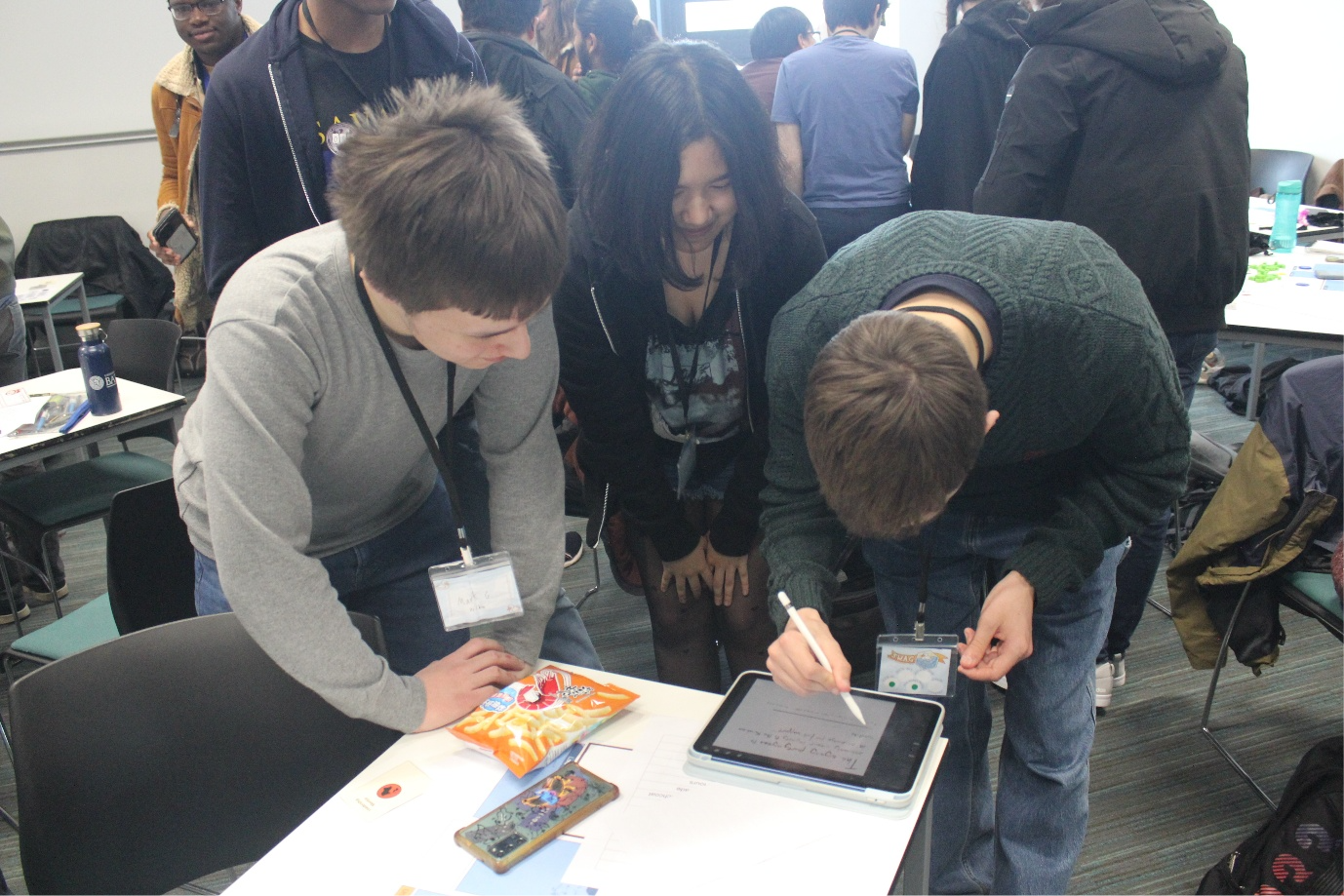
Credit: Taliesin Oldridge
Its probably a little provocative to say, but I believe universities are a fantastic place for megagames to thrive above any other gaming community I have yet been able to find. The advantages are many: lots of people who for the first time can meet a large number of people who have a shared interest in tabletop games; free venues with room bookings; and the time to be able to organise and design games (if you’re willing to let your studies slip a little). Having tried to run megagames outside of a university setting, I can also say that students have a far more “willing to try anything” attitude, while more settled adult gamers require much more convincing that this would be a game they would enjoy, even if they’ve played a megagame before.
The disadvantages are mostly pointed towards outside megagame groups. Uni societies get a lot of messages from people which get ignored, and they are rarely interested in doing the marketing for you. Student communities are also quite insular; they’ve got all the people they need already so bringing in an outsider is rarely an attractive prospect. Thirdly, the cost of a megagame license is usually quite expensive. A £200 price-point will make a committee treasurer grimace, and students are almost by definition poor. Ticket sales aren’t always going to be able to make that money back, so it’s a big risk. Add on printing costs and components, and its not looking great. And a license isn’t as reuseable if you’ve only got the one group you can run the game for, instead of several cities worth of groups you can bounce between if you’re a regional megagame group. This is to say, I understand why existing megagame groups haven’t really been able to break into universities for more than the occasional game.
What can outside regional megagame groups do to get into universities? Firstly you definitely need a person “on the inside” who can be your advocate, stir up excitement for the game, and do a lot of the organising with the student union on your behalf. When student committees do handovers, ask to be introduced to the new committee so they recognise you. Keep in contact, invite your contacts to games you run outside the university (really sell that student discount).
Secondly, there has to be an element of haste and consistency. Any student committee is only going to stick around for a couple of years. You can’t just run one game and come back three years later, you’ll have been forgotten. If you want a consistent connection with a university, I’d recommend running a minimum of one megagame a year with them, bonus points if it’s a different game each time.
Credit: Taliesin Oldridge
I hope these articles have shown how its possible to build a thriving megagame community within a university setting via by the enthusiasm of just a handful of passionate people. I also hope that from here, more and more university societies take the leap and start running their own megagames.
If you’re someone who’s thinking about doing so and want some direct advice or just to talk about it, I would be delighted to help (I love advising on gaming projects as the article has hopefully showcased). You can find me on Instagram or Facebook, or email me at thevoidangelgames@gmail.com.
Lastly, if you’re someone who’s at the age where you’re looking at what university you want to go to, I can’t condone choosing a university just because they have megagames there, but if it helps you decide between two equally good places, the University of Bath will still be running megagames for many years. Tell the tabletop society there that I sent you.
If you’d like to see your megagame related words on this blog, get in touch!